


Product Description
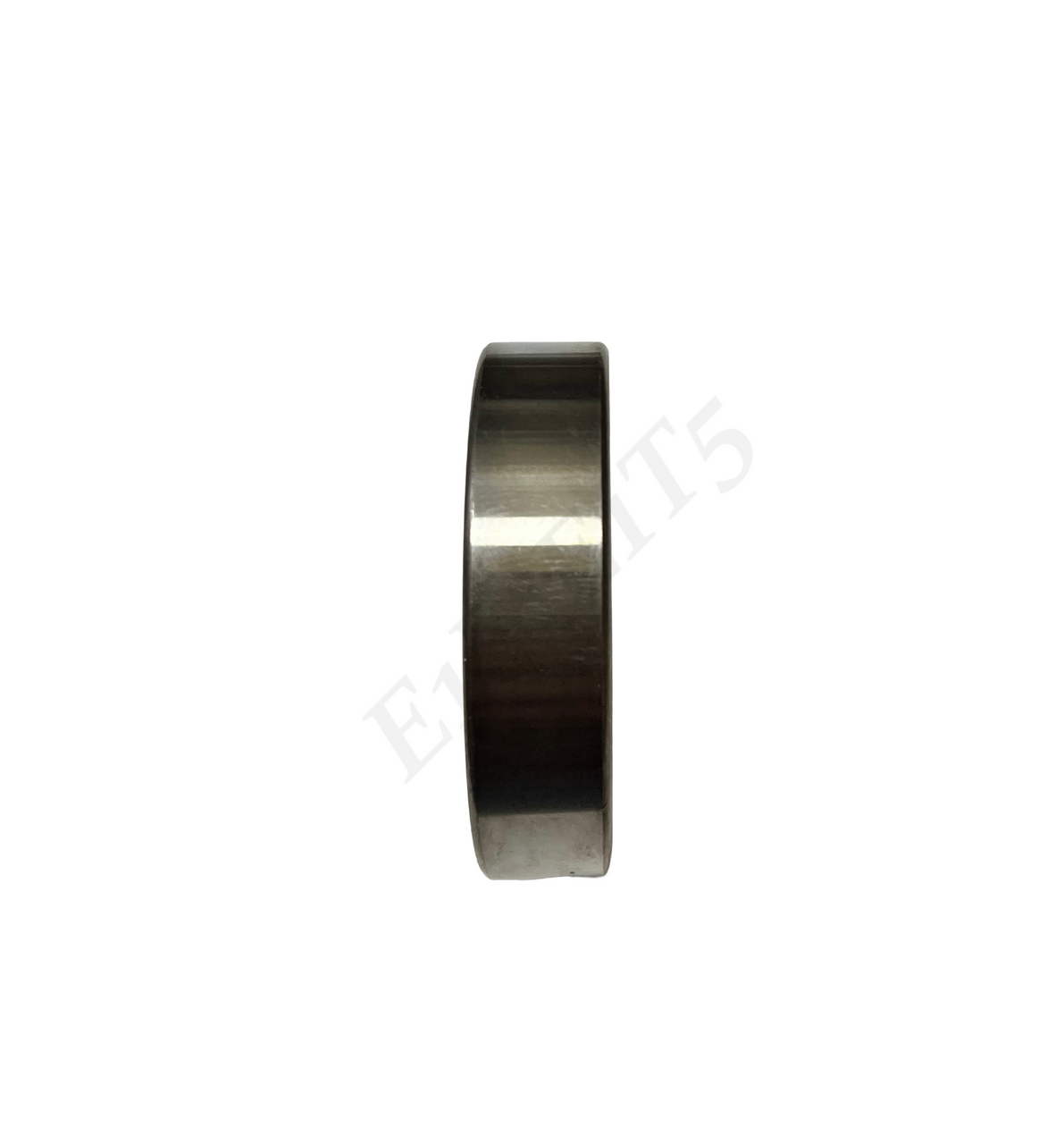
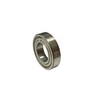
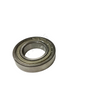
BALL BEARING STL DBL SHLD 1 1/8 - New no packaging
For Shaft Type
Round
Bearing Seal Type
Shielded
Material
Steel
For Shaft Diameter
1 1/8"
For Housing ID
2 1/8"
Width
1/2"
Width Tolerance
-0.005" to 0"
ABEC Rating
1
Dynamic Radial Load Capacity
2,150 lb.
Maximum Rotation Speed
15,000 rpm
Temperature Range
Minimum
-20° F
Max.
230° F
Inner Ring Type
Standard
Bearing Trade Number
R18-2Z
Ball Bearing Profile
Standard
Ball Material
Steel
Bearing Construction
Single Row
Bearing Type
Ball
Cage Material
Steel
For Load Direction
Radial
ID
1.125"
ID Tolerance
-0.0005" to 0"
Lubricant
Grease
Lubrication
Lubricated
OD
2.125"
OD Tolerance
-0.0005" to 0"
Radial Clearance
0.00025" to 0.0008"
Radial Clearance Trade Number
C0
Shaft Mount Type
Press Fit
Shield Material
Steel
Static Radial Load Capacity
1,600 lb.
System of Measurement
Inch
Country of Origin
Japan
DFARS Compliance
Specialty Metals COTS-Exempt
Export Control Classification Number (ECCN)
1C999
REACH Compliance
REACH (EC 1907/2006) (06/27/2024, 241 SVHC) Compliant
RoHS Compliance
RoHS 3 (2015/863/EU) Compliant
Schedule B Number
848210.5052
U.S.–Mexico–Canada Agreement (USMCA) Qualifying
No
Smoother than smooth—the balls inside these bearings roll nearly friction-free. You’ll often find them on rapidly rotating parts, from the whirring chuck on a power drill to the spinning shaft on an electric motor.
Shielded—The balls are covered just enough to keep out large particles while allowing air to pass through and dissipate heat.
Steel—Strong and wear resistant. However, these bearings are best for dry environments since moisture will cause them to rust.
ABEC Rating—Bearings with an ABEC rating meet industry tolerance standards established by the Annular Bearing Engineers Committee (ABEC). They're rated on a scale from 1 to 9. The higher the rating, the tighter the tolerance. Bearings rated ABEC 1 or 3 are precise enough for most applications. If your application consistently runs at high speeds or requires high accuracy, consider bearings rated ABEC 5 or higher, since they generate less friction and heat.